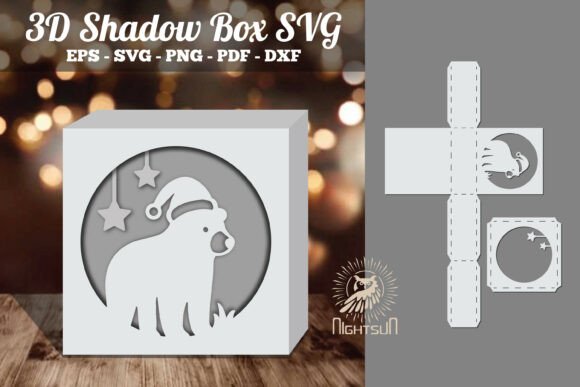
Bear 3D Papercut Shadow Box SVG 1: A Designer's Review
When I first opened the Bear 3D Papercut Shadow Box SVG 1, my immediate reaction wasn't just about the cut files; it was about how this specific aesthetic translates into thread. As an embroidery designer who constantly bridges the gap between digital vector art and physical stitched products, I look for designs that offer more than just a pretty picture. I look for structural integrity, visual depth, and commercial viability. This particular asset, categorized under Shadow Boxes and delivered as a 3D SVG, presents a unique challenge and opportunity for anyone looking to elevate their handmade product line.
The mood of this design is undeniably cozy yet sophisticated. The layered papercut style relies heavily on the interplay of shadows and depth, which is a fantastic concept for embroidery if executed correctly. In a digital format, layers are clean and crisp. In embroidery, those layers become stitch density, texture, and potential bulk. My first impression is that this design naturally belongs on items where the fabric acts as a canvas for depth, such as a heavy cotton tote bag or a structured sweatshirt. It feels less like a quick fill for a thin t-shirt and more like a statement piece for a boutique brand.
Translating Digital Layers into Stitched Reality
To truly evaluate the Bear 3D Papercut Shadow Box SVG 1, I imagined a real-world scenario: a custom order for a high-end baby boutique. The client wants a personalized gift set featuring a woodland theme. They need something that looks expensive but feels soft enough for a nursery. This is where the "papercut" aesthetic shines. When converted into an embroidery file, the distinct layers of the bear and the background elements can be simulated using varying stitch types.
For the foreground elements, a dense satin stitch would provide that sharp, cut-paper edge look, while the background layers could utilize a lighter fill stitch to create the illusion of distance. The result is a finished product that mimics the popular shadow box trend without the fragility of actual paper. For an Etsy seller or small shop owner, this translates to higher perceived value. Customers are willing to pay a premium for custom apparel or decor that looks complex and textured, and this design provides the blueprint for that complexity.
However, we must address the technical translation. The provided package includes SVG For Cutting, AI, EPS, PNG, PDF, and DXF files. It is crucial to note that these are vector and image formats intended for cutting machines or graphic design, not native embroidery formats like PES or DST. To use this for commercial embroidery projects, you will need to digitize these vectors or use software to convert them carefully. The clean lines of the 3D SVG make it an excellent candidate for auto-digitizing, but a professional touch is recommended to manage the stitch density in the overlapping areas.
Ideal Applications for Small Business Owners
Thinking about where this design fits best in a craft business, several options stand out. The bold, graphic nature of the bear works exceptionally well for an embroidered patch. If you stabilize the backing correctly, the layered look can be achieved with foam or multiple fabric layers, creating a true 3D effect that matches the source file's intent.
Another strong contender is sweatshirt embroidery. The thicker fabric of a hoodie or crewneck can support the weight of the stitching required to replicate the shadow box depth. Imagine this design centered on a chest pocket or as a large back print; it instantly brands the garment as a small shop product rather than mass-produced merchandise. For holiday embroidery gifts, such as Christmas stockings or winter-themed pillow covers, the woodland bear theme is timeless. It avoids being too trendy, ensuring your inventory remains relevant season after season.
For those selling digital embroidery file assets, this source material is gold. You can create multiple variations—changing color palettes for different seasons or simplifying layers for smaller hoops—and sell them as a collection. The versatility of the Bear 3D Papercut Shadow Box SVG 1 allows for endless customization, which is key for maintaining buyer engagement in a saturated market.
Critical Considerations for Fabric and Hooping
While the potential is high, there are areas where caution is necessary. The intricate details of a papercut style can get lost if the hoop size is too small or if the thread colors lack contrast. If you are working on dark fabric, you must ensure the digitized version uses bright, contrasting threads to maintain the visibility of the "shadow" layers. On textured fabrics like linen or waffle weave, the fine details might blur, so a smoother fabric like twill or broadcloth is preferable for the clearest results.
Stretchy fabrics present another hurdle. The rigid, geometric nature of the shadow box design does not stretch well. Applying this to a thin, stretchy t-shirt without proper stabilization could lead to puckering and distortion. Always use a cut-away stabilizer for garments that will be washed frequently. Speaking of washing, dense stitch areas can become stiff. For items like baby embroidery projects or clothing worn against the skin, consider backing the stitches with a soft cover or reducing the density in non-critical areas to maintain comfort.
Curved surfaces, such as caps, require careful planning. The flat, layered composition of the original Shadow Boxes style might warp when applied to a curved brim. It is often better to reserve this design for flat surfaces like tote bag design applications, aprons, or wall hangings where the geometry remains true.
Final Verdict on Visual Appeal and Professionalism
Ultimately, the Bear 3D Papercut Shadow Box SVG 1 is a powerful tool for enhancing brand consistency and professionalism. When a customer receives a item with this level of visual depth, it signals that thought and care went into the creation. It builds trust. Whether you are creating a printable mockup for your online store or stitching the actual personalized gift, the strong silhouette of the bear ensures recognition even from a distance.
Before committing to a full production run, I strongly advise testing the design on scrap fabric that matches your final material. Check the running stitch outlines for breaks, verify that the applique design elements (if you choose to layer fabric) align perfectly, and review the overall balance. Confirm the licensing terms associated with the downloaded files, especially if you plan to sell the digitized embroidery version or the finished physical goods.
In the hands of a skilled designer, this file is not just a shape; it is a foundation for a premium embroidery project. It invites creativity in color selection and material choice, allowing you to produce work that stands out in the crowded marketplace of handmade goods. By respecting the limitations of the medium and leveraging the strengths of the design, you can turn a simple vector file into a cherished heirloom.