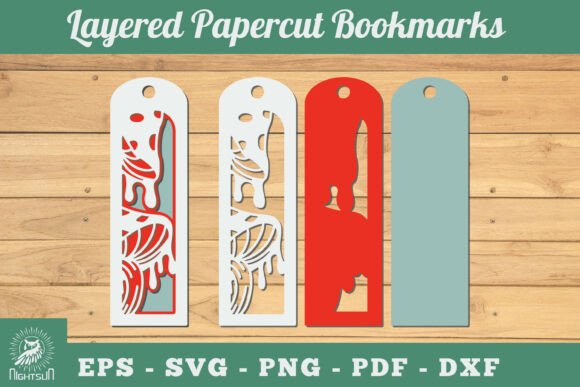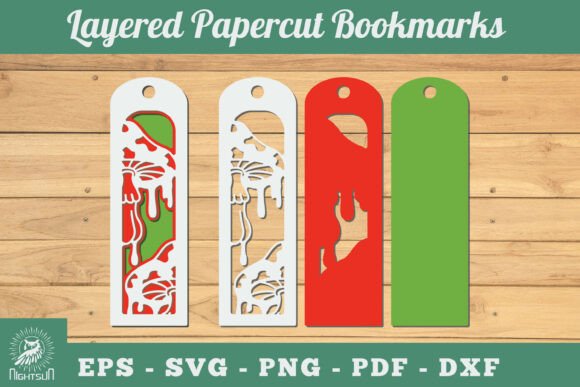
Mushroom 3D Papercut Bookmarks SVG 3 Review
As a designer who spends half my life staring at digitized files and the other half watching needles punch through fabric, I have learned to be skeptical of trends. The Fall season brings a flood of pumpkin and leaf motifs, but every so often, a design stops me in my tracks because it offers something different. Recently, I evaluated Mushroom 3D Papercut Bookmarks SVG 3 for a potential client project, and I want to share my practical insights on how this asset performs in real-world embroidery scenarios.
My initial impression was not just about the aesthetic appeal, though the whimsical, layered look is certainly charming. It was about the structural integrity of the design concept. When we talk about a 3D SVG in the context of embroidery, we are usually discussing visual depth created through layering, shadow effects, or intricate cut-out styles that mimic paper crafts. This specific file promises a unique blend of digital precision and organic warmth, which is a difficult balance to strike in machine embroidery.
First Impressions and Visual Personality
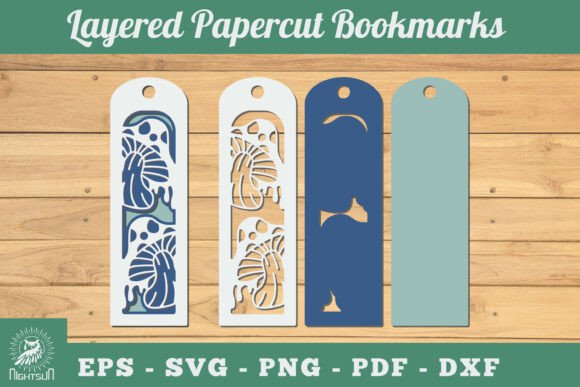
The moment I loaded the preview, I noticed the clean lines and the intentional spacing between elements. For an embroidery designer, white space is just as important as the stitch itself. The mushroom theme evokes a cozy, cottage-core vibe that has remained popular well beyond its initial trend spike. However, what sets Mushroom 3D Papercut Bookmarks SVG 3 apart is its versatility. It does not scream "seasonal discount bin." Instead, it feels like a timeless illustration that could belong in a children’s book or a high-end boutique catalog.
The layout suggests a vertical orientation, which is ideal for bookmarks, but in embroidery, this shape translates beautifully to other applications. The visual personality is playful yet refined. It avoids the cluttered look that plagues many complex designs, ensuring that the final finished product remains legible and impactful even from a distance.
Real-World Application: The Tote Bag Test
To truly understand the value of a digital embroidery file, you have to imagine it stitched out. I envisioned using this design for a custom canvas tote bag, a staple item for any Etsy seller or craft business. Canvas provides a stable, woven texture that holds stitches well, making it an excellent candidate for detailed work.
In this scenario, the mushroom design would serve as the central focal point. Because the design mimics a papercut style, it relies on contrast. I imagined using earthy thread colors—deep ochres, forest greens, and creamy whites—to enhance the Fall atmosphere without limiting the item to autumn use. The result would be a handmade product that feels artisanal and thoughtful. Customers are increasingly drawn to items that tell a story, and a well-executed embroidery project like this adds significant perceived value to a simple tote.
Beyond tote bags, this design shines in custom apparel. Imagine it placed on the left chest of a heavy-weight sweatshirt or centered on the back of a denim jacket. The sweatshirt embroidery market is saturated with basic text, so offering a graphical, illustrative element like this can help a small shop product stand out. It also works wonderfully for baby embroidery projects, such as nursery decor or personalized blankets, where the soft, rounded shapes of the mushrooms feel safe and inviting.
Technical Considerations for Embroiderers
While the aesthetic is strong, practical execution requires attention to detail. Since this is marketed as a 3D SVG and includes files like AI CS6, EPS, and DXF, it is crucial to understand how these vector paths translate into stitches. If you are using this for cutting machines, the layers are distinct. For embroidery, you must ensure your digitizing software or the provided embroidery file accounts for proper underlay and stitch direction.
One critical area to watch is stitch density. Designs that mimic paper cuts often have many small, adjacent shapes. If the density is too high, the fabric may pucker, especially on thinner materials. I recommend testing the design on scrap fabric first. Use a medium-weight cut-away stabilizer to support the stitches and prevent distortion. This is particularly important if you are working with stretchy fabrics like jersey knits for t-shirts.
Another consideration is the hoop size. Ensure your machine’s hoop can accommodate the full height of the bookmark-style design. If you are scaling it down for a smaller item, like a embroidered patch or a cap, check that the tiny details do not become lost. Tiny lettering or intricate corners can turn into a blob of thread if the resolution is not maintained. Always inspect the design at 100% zoom in your software before sending it to the machine.
Navigating Fabric and Color Challenges
The success of Mushroom 3D Papercut Bookmarks SVG 3 heavily depends on thread colors and fabric texture. On dark fabrics, you will need to use a bright underlay or a lighter top thread to ensure the design pops. Conversely, on light fabrics, subtle shading can create that coveted 3D effect. I advise creating black and white mockups to check the contrast levels before committing to expensive threads.
Be cautious with textured fabrics like towels or fleece. The loops in these materials can swallow small stitches, reducing the clarity of the papercut effect. For kitchen towel projects, consider using a applique design technique where the mushroom shapes are cut from felt or cotton and then stitched down. This preserves the crisp edges of the original SVG while adding tactile dimension.
Commercial Viability and Brand Consistency
For commercial embroidery professionals and digital product sellers, consistency is key. This design fits seamlessly into a brand identity that values nature, whimsy, and craftsmanship. It enhances buyer engagement because it looks professional and unique. When customers see a high-quality printable mockup or a photo of the actual stitched item, it builds trust.
However, always confirm licensing terms. The package includes SVG, AI, EPS, PNG, PDF, and DXF files. While these are standard for cutting and graphic design, ensure you have the right to use the resulting embroidered images for commercial sales. Most designers allow finished physical products to be sold, but reselling the digital file itself is typically prohibited. Clarify this with the creator to protect your craft business.
Final Verdict for Makers
Mushroom 3D Papercut Bookmarks SVG 3 is a versatile asset that bridges the gap between digital crafting and traditional embroidery. It is not just a seasonal novelty; it is a robust design element that can elevate personalized gifts, holiday embroidery collections, and everyday design assets. By paying attention to stabilizer choice, thread contrast, and fabric suitability, you can transform this digital file into a tangible, high-value product. Whether you are decorating a pillow cover, creating a unique tote bag design, or expanding your Etsy inventory, this design offers the creative flexibility and visual appeal needed to succeed in today’s handmade market.