Review: 3D Turkey Papercraft Layered Fall Decoration
As a designer who spends half my life staring at digitized files and the other half watching needles punch through fabric, I have learned to be skeptical of trends. The market is flooded with seasonal graphics that look fantastic on a screen but turn into a tangled mess under the presser foot. However, when I first opened the 3D Turkey Papercraft Layered Fall Decoration, my initial reaction was one of cautious optimism. This isn’t just another clip-art turkey; it is a thoughtfully constructed digital embroidery file that bridges the gap between modern paper-craft aesthetics and traditional stitching techniques.
First Impressions: Mood and Visual Personality
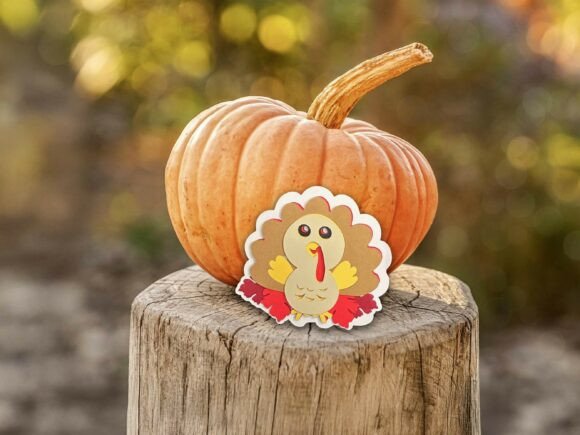
The immediate mood this design evokes is cozy, nostalgic, and undeniably autumnal. Unlike hyper-realistic birds that can look stiff when embroidered, this turkey embraces a stylized, layered look. The "papercraft" influence is evident in the clean lines and distinct color blocks. For an embroidery project, this is a blessing. It means the design relies on shape and color contrast rather than microscopic detail, which translates beautifully to thread.
The layout is balanced, with a central figure that commands attention without being overly dense. Visually, it feels friendly and approachable, making it ideal for family-oriented products. If you are an Etsy seller or a small shop owner, this visual personality screams "handmade warmth." It doesn’t look mass-produced; it looks like something a caring aunt or a boutique brand would create for a special occasion.
Real-World Application: From Screen to Stitch
To truly evaluate the 3D Turkey Papercraft Layered Fall Decoration, I had to imagine it in actual use cases. I recently worked on a custom order for a client wanting unique holiday embroidery for a local boutique. They needed items that felt festive but not kitschy. This design fit the bill perfectly.
Consider a heavy cotton tote bag design. The bold shapes of the turkey hold up well against the textured weave of canvas. When I simulated the stitch-out, the layering effect created a sense of depth that flat graphics often lack. Similarly, for sweatshirt embroidery, the design’s openness prevents the fabric from puckering excessively, a common issue with dense fall motifs like pumpkins or leaves packed too tightly together.
For baby embroidery, such as a onesie or a burp cloth, the cute factor is high. However, the scale matters. Because the design mimics layered paper, it likely uses distinct color changes. On a small garment, you must ensure the elements aren’t so tiny that they become indistinguishable blobs of thread. I recommend scaling it down carefully and checking the preview to ensure the eye and beak remain clear.
Technical Performance and Stitch Quality
From a technical standpoint, this machine embroidery design appears to prioritize clarity. In my experience, designs labeled as "layered" or "3D" often rely on clever use of fill stitch and satin stitch borders to create dimension. The 3D SVG origin suggests clean vector paths, which usually translates to smoother digitizing with fewer unnecessary jumps.
One critical aspect to watch is stitch density. If the layers overlap significantly in the digital file, the embroidered version might become too thick, especially on thinner fabrics. I advise checking the density map if your software allows it. For best results, use a cut-away stabilizer on knit fabrics like t-shirts or sweatshirts to support the weight of the threads. On woven fabrics like aprons or tea towels, a tear-away stabilizer might suffice, but always test first.
The thread colors you choose will make or break this design. Since it is inspired by papercraft, sticking to a matte, earthy palette—burnt orange, mustard yellow, deep brown, and cream—will enhance the intended aesthetic. Avoid high-sheen rayon threads if you want to maintain that rustic, paper-like feel; polyester or cotton threads might offer a more authentic finish.
Where to Use Caution
While versatile, the 3D Turkey Papercraft Layered Fall Decoration is not without its limitations. I would hesitate to use this on curved surfaces like caps unless the design is significantly simplified or resized. The layered elements might distort on the tight curve of a baseball cap front panel.
Additionally, be mindful of fabric texture. On highly textured materials like fleece or terry cloth, small details can get lost. If you are creating an embroidered patch to be ironed on later, this design works wonderfully because you can control the backing and stabilization completely. However, for direct-to-garment applications on stretchy fabrics, ensure you hoop firmly and use appropriate stabilizers to prevent shifting.
Dark fabrics present another challenge. If the turkey features light-colored layers, you may need to use an underlay or even a small piece of white fabric as an applique design base to ensure the colors pop. Without this, light threads on dark navy or black fabric can look dull and muddy.
Commercial Value and Brand Consistency
For commercial embroidery professionals and craft business owners, this design offers strong potential. It fits seamlessly into a broader collection of design assets for Thanksgiving and fall. Using this on a personalized gift like a kitchen towel or a guest napkin adds perceived value. Customers associate intricate, layered looks with higher effort and quality, which can justify a higher price point for your finished product.
Consistency is key. If your brand focuses on rustic, handmade, or farmhouse styles, this turkey aligns perfectly. It enhances brand recognition by offering a cohesive look across different products, from custom apparel to home decor. A well-executed embroidery job builds customer trust, and this design, when stitched correctly, looks professional and polished.
Practical Designer Notes
Before you commit to production, follow these steps to ensure success with the 3D Turkey Papercraft Layered Fall Decoration:
- Test on Scrap Fabric: Always run a test stitch-out on the exact fabric type you plan to use. This reveals tension issues and density problems before you ruin a final product.
- Check Thread Contrast: Lay out your physical spools next to the fabric. Digital screens can misrepresent colors. Ensure there is enough contrast between the layers to maintain the 3D effect.
- Verify Hoop Size: Confirm that the design fits comfortably within your hoop, leaving enough margin for clamping. Do not crowd the edges.
- Inspect Small Details: Zoom in on the digitized file. Are there any tiny stitches that might break or bunch up? Simplify if necessary.
- Review Licensing: Before selling items made with this digital embroidery file, confirm the license terms. Ensure you have commercial rights if you plan to sell small shop products or list them on Etsy.
- Mockup in Black and White: Convert your preview to grayscale. If the design loses its definition without color, the contrast between layers isn’t strong enough, and you may need to adjust thread choices.
In conclusion, the 3D Turkey Papercraft Layered Fall Decoration is a solid addition to any autumn-themed library. It balances charm with technical feasibility, making it a reliable choice for both hobbyists and professionals. By respecting the material constraints and preparing properly, you can create stunning Thanksgiving items that customers will cherish for years.