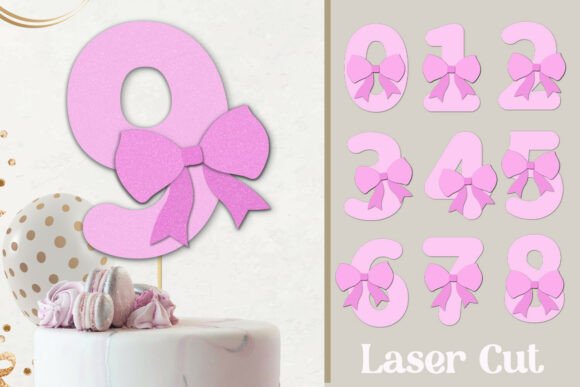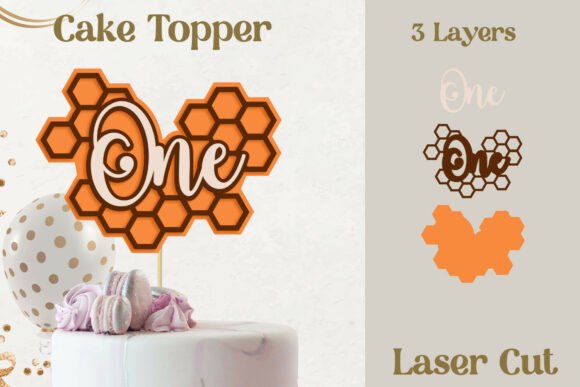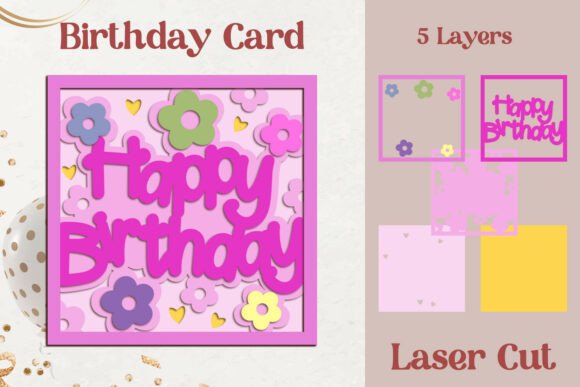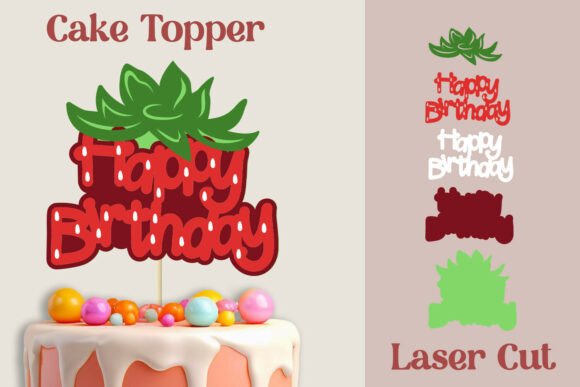
Reviewing the 3D Layered Birthday Cake Topper SVG
As a designer who has spent countless hours digitizing files and testing them on various machines, I approach every new machine embroidery design with a critical eye. It is not just about whether the image looks cute on a screen; it is about how it translates to thread, fabric, and ultimately, the customer’s hands. Recently, I evaluated the 3d Layered Birthday Cake Topper Svg to determine its viability for real-world projects. While the product description highlights its utility for laser cutting and party decor, my focus was strictly on its potential as a high-quality embroidery file for custom apparel and handmade goods.
First Impressions: Visual Personality and Mood
The immediate appeal of this design lies in its celebratory nature. The "layered" aspect suggests depth and dimension, which is crucial for creating visual interest in embroidery. When I first opened the file, I looked for clean lines and logical separation between elements. A design intended for birthday celebrations needs to feel joyful yet polished. The layout appears balanced, avoiding the clutter that often plagues themed graphics. For an Etsy seller or small shop owner, this visual clarity is vital. It means the design can stand alone as a focal point on a garment or serve as a charming accent on larger home decor items without overwhelming the viewer.
The theme is universally recognizable, which reduces the cognitive load for buyers. They do not need to decipher the image; they instantly understand it is for a birthday. This immediacy is a powerful tool in commercial embroidery, where quick recognition drives impulse purchases. However, the true test is not the digital preview but the physical stitch-out.
Real-World Application: From Screen to Stitch
To truly understand the value of the 3d Layered Birthday Cake Topper Svg, I imagined several practical scenarios. Consider a custom sweatshirt embroidery project for a child’s first birthday. Parents are increasingly seeking personalized, high-quality keepsakes rather than disposable party favors. If this design were digitized correctly, with appropriate stitch density and underlay, it could transform a plain cotton sweatshirt into a cherished heirloom. The layered cake motif offers a perfect canvas for playing with thread colors. Using pastel shades for the layers and a contrasting color for the candles or details can create a sophisticated look that appeals to modern parents.
Another viable application is on a canvas tote bag design. Tote bags are sturdy, making them ideal for designs that might have slightly higher stitch counts. Here, the durability of the embroidery becomes a selling point. Unlike printed ink, which can crack or fade, embroidered thread withstands frequent washing and heavy use. For a craft business, offering embroidered totes with this birthday theme could differentiate your small shop product from the sea of printed alternatives available online.
I also considered its use on baby items. Baby embroidery requires extra attention to softness and safety. If the design includes dense fill areas, it might feel stiff against delicate skin. In such cases, modifying the design to use more running stitch outlines or lighter fill stitch patterns would be necessary. Alternatively, using it as an applique design where fabric pieces form the cake layers could reduce bulk and add a tactile, textured element that babies and parents alike love.
Technical Considerations and Fabric Compatibility
While the aesthetic is strong, technical execution is where many designers stumble. The term "SVG" typically refers to vector graphics used for cutting, not stitching. Therefore, if you are purchasing this as a digital asset for embroidery, you must ensure it has been properly digitized into an embroidery format compatible with your machine. Assuming it is a well-digitized file, here are the critical factors to consider:
- Hoop Size: Determine the final dimensions of the design. If it is too large, it may not fit standard hoops without resizing, which can distort stitch density. Always check the recommended hoop size before starting.
- Fabric Texture: The design’s performance will vary significantly based on the material. On smooth cotton or polyester, the stitches will lay flat and crisp. On textured fabrics like terry cloth or fleece, small details may get lost. For these materials, increasing the stitch length or simplifying fine details is advisable.
- Stabilizer Selection: Proper stabilization is non-negotiable. For stretchy fabrics like t-shirts, a cut-away stabilizer provides the necessary support to prevent puckering. For woven fabrics like aprons or pillow covers, a tear-away stabilizer is usually sufficient. The weight of the stabilizer should match the weight of the fabric.
- Dark vs. Light Fabrics: Test the design on both light and dark backgrounds. On dark fabrics, you may need to add a white underlay or use lighter thread colors to ensure the design pops. Conversely, on light fabrics, ensure that any shadow effects or darker threads do not bleed through visually.
Special care is needed when applying this design to curved surfaces, such as caps. The layered structure of the cake might cause registration issues if the curvature is too steep. In such cases, reducing the size of the design or breaking it into smaller, separate elements can help maintain stitch quality.
Enhancing Product Value and Brand Consistency
For digital product sellers and apparel decorators, the consistency of your output defines your brand. A poorly stitched design can damage customer trust, while a crisp, professional finish builds loyalty. The 3d Layered Birthday Cake Topper Svg, when executed well, contributes to a perception of quality. It suggests that the maker cares about details, from thread choice to tension settings.
This design also offers versatility for holiday embroidery and year-round sales. Birthdays happen every day, making this a perennial seller rather than a seasonal item. By creating printable mockup images that show the design on various products—such as mugs (via sublimation if applicable), shirts, and banners—you can showcase its flexibility. This helps customers visualize the finished product in their own lives, increasing conversion rates.
Practical Designer Notes for Best Results
- Test on Scrap Fabric: Never run a new design directly on your final garment. Always stitch out a test on similar fabric to check for puckering, thread breaks, or color clashes.
- Check Thread Contrast: Ensure there is enough contrast between the different layers of the cake. Low contrast can make the design look muddy from a distance.
- Inspect Small Details: Zoom in on the digitized file. Are there tiny jumps or unnecessary trims? Cleaning up the path can reduce sewing time and improve reliability.
- Verify Licensing: Before selling items made with this design, confirm the license terms. Some files are for personal use only, while others allow commercial sales. Respecting intellectual property is essential for a sustainable craft business.
- Mockup Testing: Create black and white mockups to evaluate the design’s silhouette. If it loses its shape in grayscale, it may rely too heavily on color rather than form, which can be a weakness in certain lighting conditions.
In conclusion, the 3d Layered Birthday Cake Topper Svg holds significant promise for creators who understand the nuances of embroidery. It is not just a graphic; it is a component of a larger creative process. By paying attention to fabric choice, stabilization, and stitch quality, you can elevate this design from a simple file to a standout personalized gift or best-selling custom apparel item. Whether you are an experienced digitizer or a hobbyist looking to expand your portfolio, this design invites you to experiment with texture, color, and form to create something truly memorable.