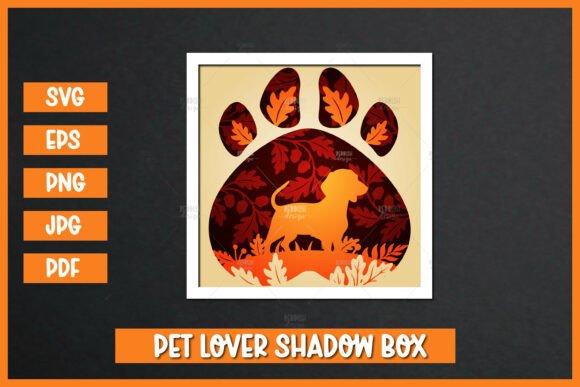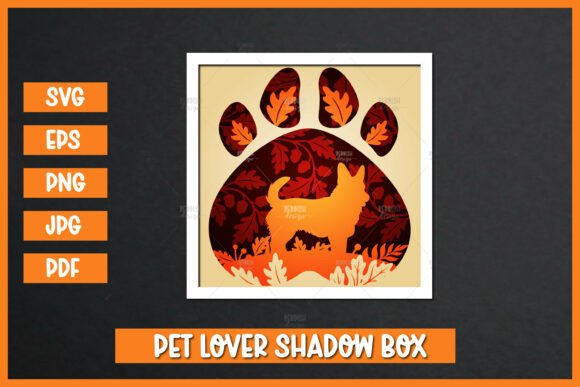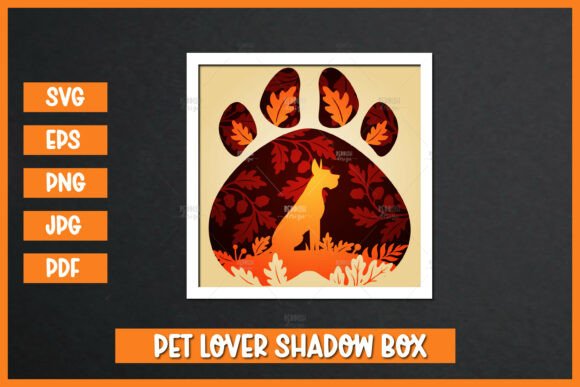
Reviewing the Great Dane 3D Paper Cut Shadow Box
As a designer who spends half my life digitizing and the other half stitching, I have learned to look past the glossy preview images. We all know that what looks crisp on a screen does not always translate cleanly to fabric. When I first encountered the Great Dane Dog Shadow Box, 3D Paper Cut, my initial reaction was one of cautious curiosity. The aesthetic is undeniably trendy. The layered paper-cut style has dominated social media feeds and home decor shops for years, but adapting this visual language into an embroidery project requires a keen eye for detail and stitch management.
This is not just another generic silhouette. It is a specific stylistic choice that mimics depth through layering. For those of us running a craft business or selling on Etsy, understanding how this design behaves under the needle is crucial before we promise it to a client. I decided to put this Dogs themed asset through its paces, evaluating it not just as a digital file, but as a tangible component of a high-quality handmade product.
First Impressions and Visual Mood
The immediate appeal of the Great Dane Dog Shadow Box, 3D Paper Cut lies in its modern, minimalist elegance. Unlike traditional realistic portraits that rely heavily on shading and complex fill stitch work, this design relies on shape and contrast. The mood it creates is contemporary and artistic. It feels less like a standard pet portrait and more like a piece of gallery art transferred onto textile.
For an Etsy seller or boutique owner, this distinction matters. Customers are increasingly looking for unique, stylized representations of their pets rather than photorealistic copies. This 3D SVG style offers a fresh alternative. However, the success of this look depends entirely on execution. The clean lines and distinct layers must remain sharp. If the stitching becomes muddy or the layers bleed into one another, the intended "paper cut" effect is lost, and the design loses its value.
Real-World Application: The Custom Tote Scenario
To test its viability, I imagined a common real-life scenario: a custom order for a personalized canvas tote bag. Canvas is a sturdy, textured fabric that can be unforgiving if the digitizing is poor. I visualized placing the Great Dane Dog Shadow Box, 3D Paper Cut on a natural beige cotton canvas. The contrast between the dark threads of the dog’s silhouette and the light fabric would need to be striking.
In this context, the design shines. Because it relies on bold shapes rather than tiny, intricate details, it holds up well against the weave of the canvas. A tote bag design needs to be readable from a distance, and the layered aesthetic provides enough visual interest without becoming cluttered. It would also work beautifully as a central motif on a heavy-weight sweatshirt. For sweatshirt embroidery, the density of the garment supports the weight of the threads, preventing puckering—a common issue with lighter fabrics.
However, I would hesitate to use this exact configuration on a stretchy jersey knit for a t-shirt without significant stabilization. The layered look implies a certain rigidity. On a soft, draping fabric, the design might feel too heavy or stiff unless the digitizer has optimized the stitch density specifically for knits. Always check the technical specs of your embroidery file to ensure it matches your substrate.
Navigating Technical Challenges
While the aesthetic is strong, there are practical hurdles to consider. The term "3D Paper Cut" suggests depth, but in embroidery, we are working in two dimensions. We simulate depth through color changes and layering. This means frequent thread stops and starts. If you are producing these as a small shop product, time is money. A design with excessive color changes can slow down production significantly.
Another critical factor is the hoop size. The product description notes a 6x6 inch size. This is a versatile medium size, suitable for chest logos on apparel or centerpieces on pillows. However, if you attempt to scale this down for a small embroidered patch or a baby hat, you risk losing the definition of the layers. Tiny details in layered designs can merge when stitched out at smaller scales. I strongly advise testing the design on scrap fabric at your intended size before committing to final production.
Fabric texture also plays a pivotal role. On highly textured fabrics like terry cloth or fleece, the fine edges of the "paper cut" layers might get lost. In such cases, using a satin stitch border around the layers can help define the edges and maintain the crispness of the design. Conversely, on smooth fabrics like broadcloth or polyester, the design will appear sharpest, making it ideal for high-end custom apparel or corporate gifts.
Commercial Viability and Brand Consistency
For those using this as a digital embroidery file in their commercial offerings, consistency is key. The Great Dane Dog Shadow Box, 3D Paper Cut fits well within a modern, minimalist brand identity. It appeals to a demographic that values design-forward home goods and personalized accessories. Using this design in your portfolio signals that you are current with design trends.
When creating printable mockup assets for your online store, ensure that the digital representation matches the stitched reality. Misleading previews lead to customer dissatisfaction. Since the file includes EPS, JPG, and SVG formats, you have flexibility in how you present the design in marketing materials. Use the SVG for clean vector graphics in your listings and the JPG for realistic previews on product photos.
It is also worth considering the emotional connection. Dog owners are passionate. A well-executed portrait of a Great Dane can evoke a strong emotional response, increasing the perceived value of the personalized gift. Whether it is a holiday embroidery project for Christmas ornaments or a memorial piece, the dignity of the breed captured in this stylized format resonates with buyers.
Practical Designer Notes for Best Results
Before you load this design into your machine, take a moment to review the technical aspects. Since the specific stitch count and recommended stabilizer types are not explicitly detailed in the basic product info, you must do your due diligence. Here is my checklist for ensuring a professional finished product:
- Test on Scrap: Always stitch a test sample on the same fabric type you intend to use for the final item. Check for registration issues between layers.
- Stabilizer Selection: Given the layered nature, a cut-away stabilizer is often safer than tear-away, especially for garments that will be washed frequently. It provides ongoing support to the stitches.
- Thread Contrast: The beauty of this design is in the separation of layers. Use thread colors that have sufficient contrast. If the layers are too similar in tone, the 3D effect will vanish.
- Check Licensing: Confirm the license terms provided with the download. Ensure you are cleared for commercial use if you plan to sell items made with this design assets package.
- Inspect Small Details: Zoom in on the SVG or EPS files before digitizing or stitching. Look for any nodes or points that might cause unnecessary jumps or trims.
In conclusion, the Great Dane Dog Shadow Box, 3D Paper Cut is a compelling choice for designers looking to add a modern, artistic flair to their repertoire. It bridges the gap between digital art trends and tactile craftsmanship. While it requires careful attention to fabric choice and stabilization, the result can be a stunning, high-value item that stands out in a crowded market. Whether you are creating a one-of-a-kind baby embroidery piece or stocking your online store with unique Dogs themed decor, this design offers a solid foundation for creative exploration. Just remember: the magic is in the execution. Treat the file with respect, test thoroughly, and let the quality of your stitching speak for itself.