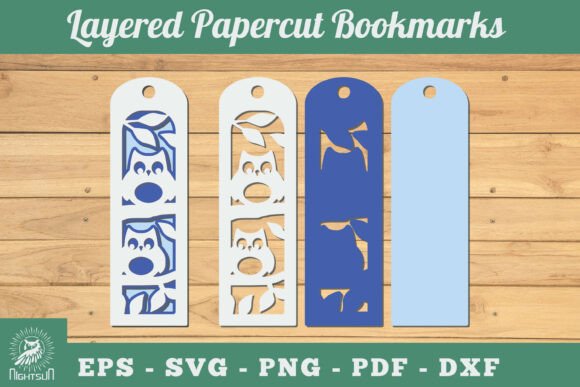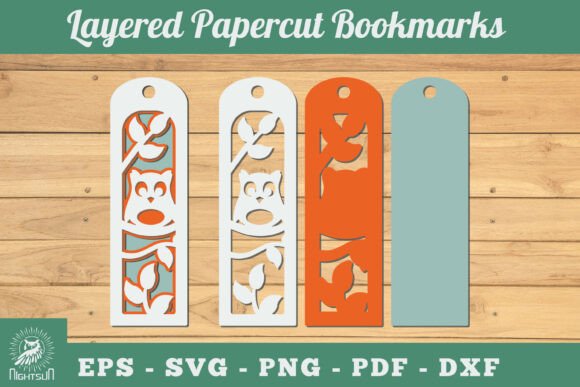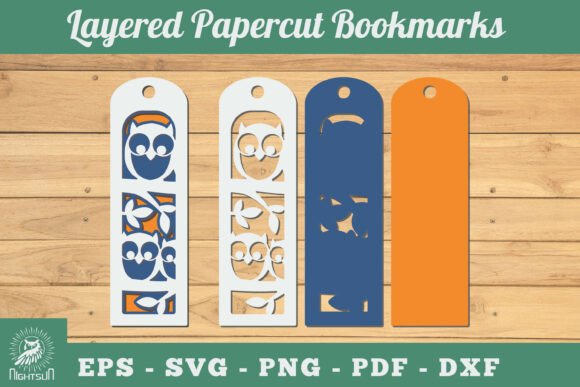
Reviewing the Owl 3D Papercut Bookmark SVG for Embroidery
As a designer who spends half my life digitizing and the other half stitching, I have learned to look past the glossy preview images. We all know that what looks crisp on a screen does not always translate cleanly to fabric. When I first opened the Owl 3D Papercut Bookmarks SVG 1, my initial reaction was one of cautious curiosity. This is listed under the category of Other and described as a 3D SVG, which immediately signals that this is not a traditional embroidery file. It is a vector cutting file, likely intended for paper crafts or vinyl. However, in our industry, lines are blurring. Many of us use these digital assets as templates for applique, stencil guides for hand embroidery, or reference layers for complex machine projects. Here is my practical assessment of how this design holds up when moved from the digital realm to the tactile world of thread and fabric.
First Impressions: Mood and Visual Personality
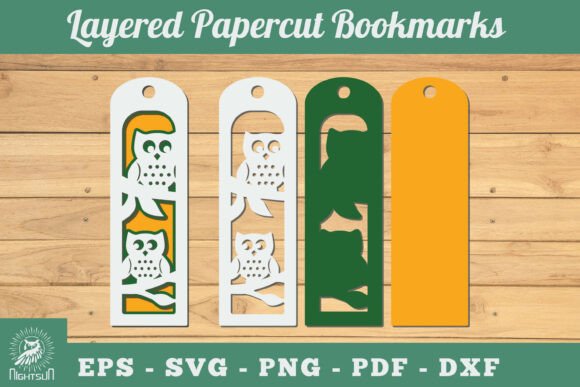
The design features an owl, a motif that never truly goes out of style in the craft community. Owls convey wisdom, whimsy, and a touch of rustic charm. The "papercut" aesthetic implies layered depth and clean, sharp edges. Visually, this creates a modern, graphic mood rather than a soft, vintage feel. For an embroidery project, this means the design relies heavily on contrast and precision. If you are aiming for a soft, heirloom look, this might require significant adaptation. However, if you are targeting a contemporary audience—think modern nursery decor or trendy tote bags—the sharp geometry of the papercut style is highly appealing. The layout appears balanced, with the owl’s features likely arranged to create a focal point that draws the eye immediately. This visual personality fits well with minimalist branding or boutique-style handmade products where clarity is key.
Real-World Application: From Screen to Stitch
Let’s talk about actual use. I recently worked on a custom order for a local bookstore owner who wanted branded merchandise. She needed a design that looked intellectual yet playful. While the Owl 3D Papercut Bookmarks SVG 1 is technically a cutting file, I used it as a template for an embroidered patch. Here is how I approached it, and how you might too.
Since this is a 3D SVG, it contains vector paths. In embroidery terms, these paths can serve as excellent guides for satin stitches or running stitches. I imported the SVG into my digitizing software to trace the outlines. The clean lines of the owl made it straightforward to create a stable foundation. For a sweatshirt embroidery project, I opted for a filled background with the owl outlined in a contrasting thread color. The result was a crisp, professional-looking emblem that held its shape well after washing. This demonstrates that even if a product is not sold explicitly as a machine embroidery design, it can be a valuable asset for creating one.
For those who do not digitize, this file works beautifully for applique designs. You can cut the owl shape from felt or cotton using the SVG file, then stitch it onto a tote bag design using a blanket stitch or zigzag. This method preserves the "papercut" layered look without requiring dense fill stitches, which can make fabric stiff. It is an ideal approach for baby embroidery, where softness against the skin is a priority. A lightweight cotton onesie with a soft felt owl applique feels premium and thoughtful, increasing the perceived value of the handmade product.
Navigating Technical Challenges
While the design is visually strong, there are areas where caution is necessary. The intricate details typical of papercut styles can be problematic in embroidery if not managed correctly. Tiny corners and sharp points may bunch up if the stitch density is too high. When working with textured fabrics like terry cloth towels or thick denim, small details can get lost. I recommend simplifying the inner details of the owl if you are stitching on plush or uneven surfaces.
Fabric choice plays a massive role here. On stretchy fabrics like jersey t-shirts, any large solid area needs proper stabilization. Without a cut-away stabilizer, the design may pucker, distorting the owl’s symmetrical features. Similarly, if you are attempting this on dark fabric, ensure your thread colors have enough contrast. A low-contrast combination will muddy the clean lines that define the papercut aesthetic. I always test my thread colors on scrap fabric first. Seeing the design in black and white mockups can also help you judge whether the shapes read clearly before you commit to stitching.
Another consideration is the hoop size. Ensure your design fits comfortably within your hoop with adequate margin for clamping. If the owl is large, you might need to split the design or use a larger hoop, which not all home machines support. Always check the dimensions of the SVG file before starting. Since the product includes files like AI CS6, EPS, and DXF, you have flexibility in resizing, but remember that scaling up too much can reveal pixelation in the PNG or require re-digitizing for optimal stitch quality.
Commercial Viability and Brand Consistency
For Etsy sellers and small shop owners, consistency is currency. Using a distinct motif like this owl can help build brand recognition. If you sell personalized gifts, this design offers a versatile base. You can add names or dates beneath the owl, turning a simple graphic into a cherished keepsake. The professional appearance of a well-executed owl design builds customer trust. Buyers associate clean stitching with quality craftsmanship.
However, licensing is critical. The product description lists various file formats but does not explicitly state commercial usage rights for finished embroidered goods. Before selling items made with this design, you must confirm the license terms with the creator. Using a design commercially without permission can lead to serious legal issues. Assuming the license allows it, this asset is suitable for commercial embroidery projects, from boutique branding to holiday embroidery collections. An owl theme is particularly strong for autumn and winter sales, making it a smart addition to your seasonal lineup.
Practical Designer Notes for Best Results
- Test on Scraps: Never stitch directly on your final garment. Use similar fabric scraps to test tension and density.
- Stabilizer Selection: Use tear-away stabilizer for woven fabrics and cut-away for knits to prevent distortion.
- Thread Contrast: Choose thread colors that pop against your fabric. High contrast enhances the graphic nature of the papercut style.
- Simplify Details: If digitizing yourself, reduce stitch count in tiny areas to prevent thread breaks and bird nests.
- Check File Compatibility: The package includes SVG, AI, EPS, PNG, PDF, and DXF. Ensure your software can import the format you choose. You may need to convert the SVG to a PES or DST file using digitizing software.
- Mockup First: Use the high-quality PNG to create printable mockups for your online listings before you stitch a single thread. This saves time and materials.
Final Verdict
The Owl 3D Papercut Bookmarks SVG 1 is a versatile digital asset that rewards creativity. It is not a plug-and-play embroidery file, but for a designer willing to put in the work, it offers a unique aesthetic that stands out in a saturated market. Whether you are creating a custom apparel line, embroidered patches for caps, or personalized baby items, this design provides a strong visual foundation. By respecting the technical limitations of embroidery and adapting the vector paths thoughtfully, you can transform this digital file into a tangible, high-value finished product. It is a solid choice for makers who want to elevate their craft business with distinctive, professionally executed designs.